
The Seedance 2.0 Shot Planning Workflow for Modern Filmmakers
Master your production with the Seedance 2.0 shot planning workflow. Learn to organize, visualize, and execute your film projects faster than ever.
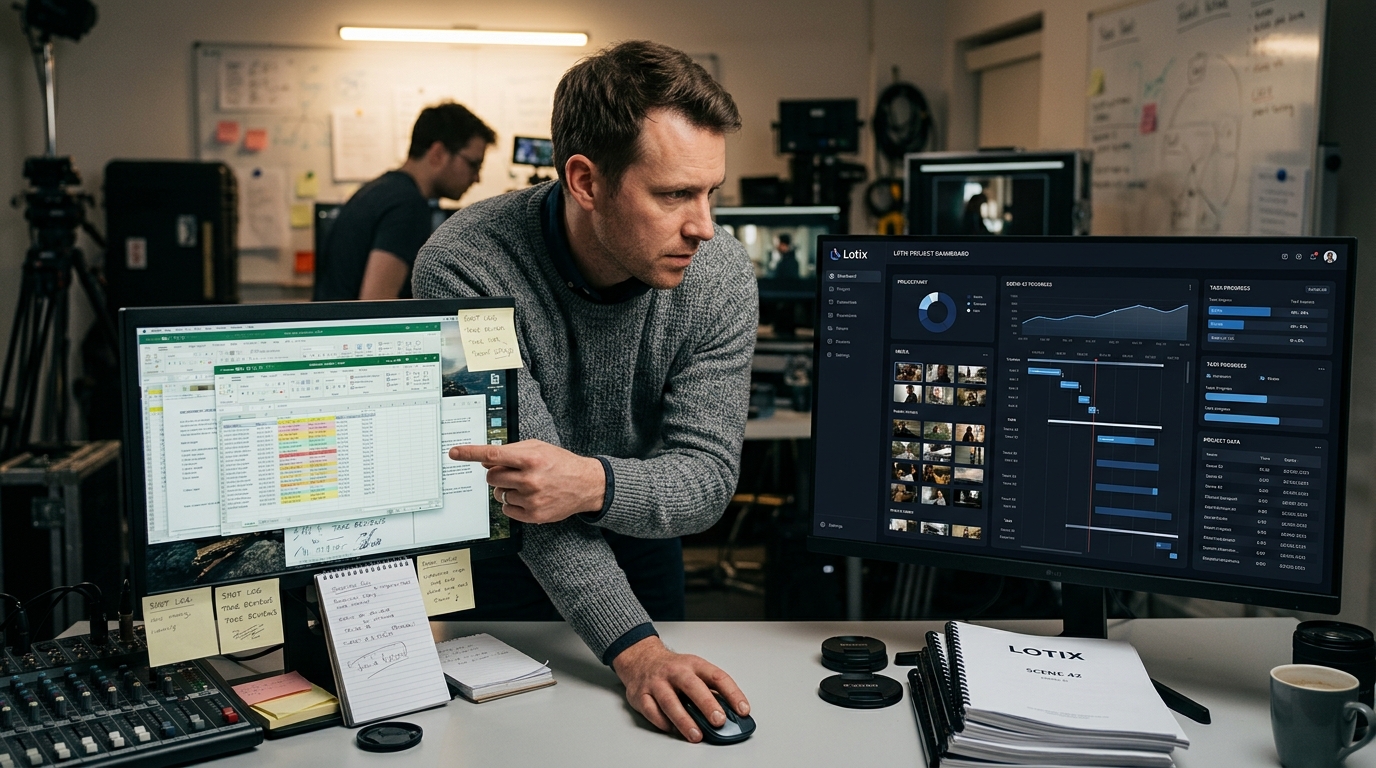
The Seedance 2.0 Shot Planning Workflow for Modern Filmmakers
If you’ve spent any time in pre-production, you know the drill. Hours spent wrestling with messy spreadsheets, disjointed storyboards, and the inevitable panic when a location change throws everything off. But what if there was a better way?
The Seedance 2.0 shot planning workflow changes how you approach your project’s foundation. It’s not just about listing shots anymore; it’s about building a digital spine for your entire film.
Why Planning Still Matters in an AI World
We have incredible tools at our fingertips. But tools only work as well as the vision guiding them. If your shots aren’t organized, your AI generation efforts will just be digital noise.
I’ve seen so many filmmakers skip this step. They jump straight into prompting. And you know what happens? They get generic, uninspired footage that feels disconnected. A solid workflow anchors your creativity. It ensures every frame serves your story.
Getting Started with Seedance 2.0
Think of Seedance 2.0 as your central command. It bridges the gap between your abstract script notes and the actual, actionable shots you need to capture or generate.
1. Structure Your Script Breakdowns
Start by breaking your script down into scenes. Don’t worry about camera angles yet. Just capture the action. Once you have the core beats, you can begin to attach specific shot types to them.
2. Visualize with Purpose
This is where the magic happens. Instead of relying on imagination alone, use the platform to sketch out your composition. Does that wide shot truly establish the isolation of your protagonist? Does the tight close-up capture the exact emotion needed for that dialogue beat?
If you want to dive deeper into managing your project assets, check out our guide on AI film shot planning for more foundational tips.
Managing the Workflow Over Time
Consistency is the secret to a professional result. A common mistake is treating the shot list as a static document. It isn’t. It’s a living project.
- Audit your progress: Review your shots daily. Are they still aligned with your original vision?
- Version control: Don’t delete your old ideas. Keep them in a folder. Sometimes, the initial concept was right all along.
- Collaborate: If you’re working with a team, ensure everyone has access to the latest version. No more “wait, which version is this?” conversations.
For those focusing on high-end production pipelines, we’ve also written extensively about optimizing production timelines to ensure you stay on schedule.
Avoiding Common Pitfalls
We all fall into the trap of over-complicating things. You don’t need a hundred shots for a two-minute scene. You need the right shots.
Focus on the story. If a shot doesn’t move the narrative forward, be ruthless. Cut it. The best part about a digital workflow is how easy it is to refine and reshape your story until it hits exactly right.
Need a hand with lighting and mood? Take a look at our AI lighting guide to complement your shot planning efforts.
Take Control of Your Production
The Seedance 2.0 shot planning workflow is designed to give you that control. It handles the organizational heavy lifting so you can focus on the creative side of filmmaking.
Ready to see the difference for yourself? Dive in and start organizing your next masterpiece today.